Make the Most of Outdoor Living with Tall-Potted Plants That Provide Privacy
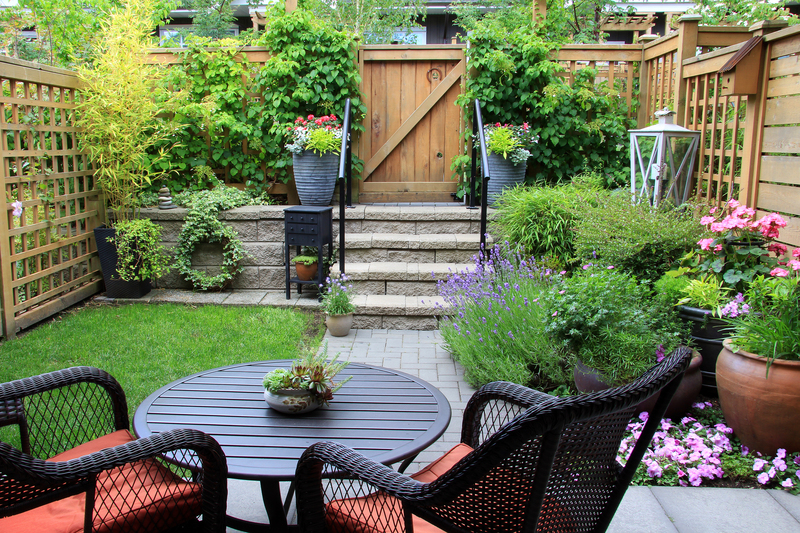
Make the Most of Outdoor Living with Tall-Potted Plants That Provide Privacy
You step onto the balcony with a hot cup of tea. The city hums below, a gull wheels past, and--oh--your neighbour's window is right there, staring back. We've all had that moment. The truth is, even the loveliest outdoor spaces can feel exposed. But there's a solution that's quick, beautiful, and surprisingly practical: tall-potted plants that create privacy, soften noise, and instantly make everything calmer. Clean, clear, calm. That's the goal.
This long-form guide shows you how to make the most of outdoor living with tall-potted plants that provide privacy. We'll cover plant choices that actually thrive in containers, the right planters and soil mixes, how to design for wind and sightlines, what UK rules you should know, and clever watering hacks so you're not a slave to the hose. We'll also share a real-life London balcony transformation (spoiler: jasmine scent at dusk, bliss). And yes, we'll help you avoid bamboo nightmares and wobbly pots. Its kinda wild how much difference the right planter can make--you'll see why.

Table of Contents
- Why This Topic Matters
- Key Benefits
- Step-by-Step Guidance
- Expert Tips
- Common Mistakes to Avoid
- Case Study or Real-World Example
- Tools, Resources & Recommendations
- Law, Compliance or Industry Standards (UK-focused)
- Checklist
- Conclusion with CTA
- FAQ
Why This Topic Matters
Privacy is more than hiding from prying eyes; it's about feeling at ease in your own space. Whether you've got a small balcony in London, a courtyard in Manchester, or a breezy roof terrace in Brighton, the right tall-potted privacy plants turn exposed areas into inviting rooms--with sky for a ceiling. And compared with fences or building works, planters are affordable, flexible, and rarely require permission.
We live closer than ever. UK homes increasingly have compact outdoor spaces, and overlooking is common--especially in new-builds and converted flats. So a soft, green screen can be the difference between skipping the patio entirely and eating breakfast outside, rain or shine. In our experience, once the plants go in, people use their spaces twice as much. Sometimes three times. You start to crave that morning light and jasmine scent... funny how fast it happens.
There's also wellbeing. Numerous UK and international studies link greenery with lower stress and improved concentration. To be fair, it's obvious the moment you sit among plants: the air feels cooler, the background noise dulls, and you breathe a little deeper. A modest row of tall, leafy pots--done right--delivers that daily exhale.
Key Benefits
Here's what you gain when you make the most of outdoor living with tall-potted plants that provide privacy:
- Immediate screening: No waiting years for a hedge to fill in. Good-sized containers provide 1.6-2.2 m of coverage from day one.
- Flexible design: Moveable screens for changing seasons or new neighbours. Shift a planter 30 cm and the view changes--like magic.
- Better microclimate: Plants cool summer air through transpiration, reduce wind gusts, and soften echoes. Your balcony feels less like a wind tunnel and more like a room.
- Biodiversity boost: Pollinator-friendly options--think Trachelospermum jasminoides (star jasmine), Lavandula, or flowering shrubs--bring bees and butterflies.
- Aesthetic value: Layered textures, seasonal colour, and architectural forms. Screens can be sculptural as well as practical.
- Low-commitment privacy: Unlike fences (often height-limited and regulated), plants stay within guidelines but achieve similar screening effects--ethically and pleasantly.
- Property appeal: Well-designed terraces photograph brilliantly and can nudge rental or resale value upwards.
One client told us that after adding tall planters, their evening routine shifted--phones down, wine poured, the faint sound of rain on foliage. A small thing, sure. But it matters.
Step-by-Step Guidance
1) Map Your Sightlines
Stand or sit where you actually use the space. Note the angles where you feel observed. Mark key lines with masking tape or chalk on the floor--roughly where screening should run. Ask: whose view into your space concerns you most? That upstairs window? The neighbour's terrace to the left?
- Measure from floor to eye-level while seated (~1.2 m) and standing (~1.6 m).
- Mark the top of your desired screen height: 1.8-2.0 m is typical in the UK, sometimes higher for penthouses (watch wind load).
- Note wind direction (prevailing winds are often south-westerly in much of the UK).
2) Choose the Right Plant Types
For tall potted privacy plants, choose species that are container-tolerant, ideally evergreen for year-round screening. Mix static structure with seasonal flourish.
- Clumping bamboos (Fargesia spp.): Non-invasive, elegant, rustling sound. Height 2-3 m in planters. Avoid running bamboos (e.g., Phyllostachys spp.) unless you fully contain roots--more hassle than it's worth.
- Star jasmine (Trachelospermum jasminoides): Evergreen climber with intoxicating summer scent; thrives on trellis planters; 2-3 m.
- Portuguese laurel (Prunus lusitanica): Dense evergreen foliage, good for troughs, trims well.
- Pittosporum tenuifolium (and cultivars): Light, airy foliage; great in wind; many variegated options.
- Griselinia littoralis: Salt-tolerant coastal hero, thick apple-green leaves; milder UK areas do best.
- Yew (Taxus baccata): Classic, formal, slow but worth it; superb in deep planters with good drainage.
- Ornamental grasses (e.g., Calamagrostis 'Karl Foerster', Miscanthus): Provide movement and seasonal height; pair with evergreens for winter cover.
- Bay laurel (Laurus nobilis): Edible leaves, clip to shape; evergreen and container-happy.
- Climbers for trellis: Clematis armandii (evergreen), honeysuckle, or even edible hops for summer privacy.
- Hardy palms (Trachycarpus fortunei): Not dense on their own, but great height; underplant with shrubs to fill gaps.
Pro tip: Mix plant structures--solid evergreens for backbone, bamboos for movement, climbers for seasonal scent. Your eye reads depth, not a flat wall.
3) Pick Containers That Last (and Don't Tip)
For screening, stability matters. Go for frost-resistant, heavy-duty planters with a wide footprint. Shapes: tall troughs (1-1.5 m length), cube planters (40-60 cm), or integrated trellis planters.
- Materials: Fibreclay, fibreglass (light but strong), timber with liners, corten steel (beautiful patina), or high-quality resin. Avoid thin cheap plastic--it goes brittle fast.
- Drainage: Ensure at least one 12-20 mm hole; raise on feet; add crocks or 3-5 cm of gravel at base.
- Weight: Heavier base reduces tipping in wind. Add paving slabs at bottom if needed.
- Mobility: Large castors or pot dollies under cubes help reconfigure layouts without a hernia.
4) Use the Right Soil Mix and Feeding
Container plants need structure and nutrients. For long-term planting:
- Soil: 60% peat-free container compost + 30% John Innes No. 3 (loam-based) + 10% horticultural grit for drainage.
- Fertiliser: Add controlled-release granules (8-12 month) at planting; top up liquid feed fortnightly in peak growth.
- Mulch: 3-5 cm of bark or decorative gravel retains moisture and reduces splashing.
Rule of thumb: aim for at least 40-60 litres of soil per medium shrub or clumping bamboo. Bigger roots, happier plant. Simple as that.
5) Irrigation That Doesn't Own You
Watering is where many balcony gardens falter. Sort it early:
- Drip irrigation kit with a battery tap timer--feeds only where needed; minimal waste.
- Self-watering planters or hidden reservoirs--good for holidays and forgetful Tuesdays.
- Water butt (if space) for rain capture; use a small solar pump to run micro-drip lines.
- Capillary matting under troughs in a tray system for even moisture.
Summer guide: in hot spells, most large planters need 10-20 litres per week. You can't overstate it--consistent moisture equals consistent privacy.
6) Design the Layout: Sightlines, Layers, Rhythm
Arrange screens where privacy pressure is highest, then build flow. Stagger heights so your eye moves gently across the space.
- Backbone: Place the tallest, densest planters where overlooking is strongest (often the rail or one side).
- Secondary screens: Fill small gaps with grasses or mid-height shrubs.
- Climbers and accents: Add trellis planters near seating for scent; think jasmine near the lounge chair.
- Pathways: Leave at least 60 cm for comfortable movement; 80-90 cm feels generous.
Try this quick test: sit down, exhale, and notice if you still feel watched. If yes, shift a planter 10 cm and test again. Two minutes well spent.
7) Wind and Weight Checks
Balconies and rooftops can be gusty. Choose wind-tolerant species (Pittosporum, bamboos, clumping grasses) and heavy planters. As for weight: typical UK residential balconies are designed for imposed loads around 2.0-2.5 kN/m? (check your building manual or managing agent). Spread loads evenly and avoid clustering heavy planters in one corner. When in doubt, consult a structural engineer--seriously, it's worth the peace of mind.
8) Seasonal Care
- Spring: Top-dress compost, feed, and check irrigation lines for blockages.
- Summer: Deadhead, trim lightly, and water consistently.
- Autumn: Light prune evergreens, remove debris, secure top-heavy planters.
- Winter: Wrap pots in severe frost (hessian/bubble wrap) if exposed; lift saucers to prevent waterlogging.
That first frosty morning, the foliage glistens, and you can smell that cold, clean air. Your screen still stands, doing its quiet job.
Expert Tips
Design and Planting
- Layer evergreen with seasonal drama: A backbone of Portuguese laurel or yew, underplanted with spring bulbs and summer perennials. Year-round privacy, shifting colour.
- Think in modules: Three 1.2 m troughs create a 3.6 m screen that can flex or move. Better than one giant, immovable planter.
- Use trellis strategically: A 1.8 m trellis on a trough with jasmine screens fast and smells divine at dusk.
- Sound-softening: Bamboos are brilliant here--the gentle rustle cancels harsh city noise just a touch. It's subtle, but you feel it.
Water and Nutrition
- Self-watering inserts can halve watering frequency; add a float indicator so you know when to top up.
- Don't overfeed bamboos with high-nitrogen fertiliser; go balanced (e.g., 10-10-10 equivalent). Too lush can mean floppier canes.
- Mulch is your friend. Keeps moisture, buffers temperature, and keeps compost off paving.
Maintenance and Safety
- Stake early any top-heavy specimen (e.g., young cypress or bay standards) using discreet stakes tied with soft ties.
- Anchor in wind with hidden weights or brackets where appropriate. No one enjoys a toppled pot at 2 a.m.
- Prune little and often: Light trims maintain density; hard chops can create gaps for months.
Small human moment: a client once messaged at 7:14 a.m.--"Jasmine just opened, smells like holiday." To be fair, that made our week.
Common Mistakes to Avoid
- Choosing the wrong bamboo: Running bamboos in planters can still escape or snap pots. Choose clumping Fargesia species.
- Pots that are too small: Starved roots = sad plants and sparse screens. Aim 40-60 L per plant minimum, more for bamboos (60-100 L).
- Ignoring drainage: No feet and blocked holes cause root rot. Always elevate and test water flow.
- Overloading balconies: Don't guess. Spread weight and check building guidance.
- One-species walls: A single-species hedge is a pest or disease risk. Mix it up for resilience and interest.
- Neglecting wind: Tall, light pots + gusty 15th floor = trouble. Heavier bases, wind-tolerant plants, and sheltered layouts are key.
- Forgetting winter: Deciduous-only screens vanish in January. Keep a core of evergreens.
Ever tried clearing a room and found yourself keeping everything? Same with planters--edit your choices. Too many little pots make clutter, not privacy.
Case Study or Real-World Example
London SE1 Balcony: From Fishbowl to Private Oasis
Space: 6 m x 1.5 m balcony, 8th floor, windy, overlooked by three buildings. The sound of buses drifted up from the main road, and the couple had stopped using the space. Shame, really.
Brief: Make the most of outdoor living with tall-potted plants that provide privacy, scent, and wind-buffering--without darkening the flat.
Plan:
- Backbone: three 120 cm fibreclay troughs with Fargesia robusta 'Campbell' (clumping bamboo) for 2-2.2 m rustling screens.
- Fragrance: two trellis planters with Trachelospermum jasminoides (star jasmine) flanking the seating zone.
- Structure: cubes with Pittosporum tenuifolium 'Golf Ball' and Laurus nobilis standards for winter interest.
- Softness: linear runs of Calamagrostis 'Karl Foerster' for movement and a summer "shimmer" in the wind.
- Irrigation: drip lines on a battery timer, fed from the balcony tap; reservoirs under the bamboo troughs.
- Load check: total installed weight spread across full length; confirmed with building management.
Outcome: Immediate privacy without blocking daylight. The jasmine bloomed in June--sweet, citrusy--and their evening dinners moved outdoors. Wind reduced, noise softened. Cost for plants, planters, and irrigation: mid-four figures. Payoff: priceless (their word, not ours).
On a rainy Saturday, they messaged: "You could almost smell the cardboard dust in the air when we unboxed the planters. Now it smells like a garden. We weren't expecting that." Little moments. Big change.
Tools, Resources & Recommendations
Planning & Measuring
- Measuring tape (5-8 m), spirit level, masking tape for layout lines.
- Portable seat or folding chair to test sightlines at real height.
- Smartphone compass/wind apps to understand prevailing winds.
Planters & Hardware
- Fibreclay or fibreglass troughs (100-150 cm length, 35-45 cm depth).
- Trellis planters (1.8 m trellis integrated) for climbers like jasmine.
- Pot feet, castors, or dollies for mobility and drainage.
- Root barriers or liners for timber planters to protect and extend life.
Soils & Feeds
- Peat-free container compost + John Innes No. 3 + horticultural grit.
- Controlled-release fertiliser (8-12 months) and balanced liquid feed.
- Bark mulch or decorative aggregates for moisture retention.
Irrigation & Watering
- Drip irrigation kits with battery timer (easy DIY).
- Self-watering inserts or planters with reservoir indicators.
- Water butt (where feasible) and hose connectors compatible with balcony taps.
Plant Shortlist (UK-friendly)
- Evergreen backbone: Portuguese laurel, yew, Griselinia, Pittosporum, bay laurel.
- Clumping bamboo: Fargesia 'Campbell', Fargesia rufa, Fargesia robusta.
- Climbers: Star jasmine, evergreen clematis (C. armandii), honeysuckle.
- Grasses & seasonal height: Calamagrostis 'Karl Foerster', Miscanthus, Panicum.
- Accent evergreens: Holly cultivars, Elaeagnus ebbingei, Camellia (acidic compost).
Bookmark the Royal Horticultural Society plant profiles and your local garden centre's seasonal stock guide. They're gold for UK-specific advice, especially hardiness and wind tolerance.
Law, Compliance or Industry Standards (UK-focused)
Plants are generally less regulated than fences, but a few UK points matter:
- High hedges (Anti-social Behaviour Act 2003, Part 8): Councils can act on complaints about evergreen hedges over 2 m causing loss of light or amenity. While potted plants aren't "hedges" by default, a continuous evergreen barrier might still invite complaints if it's excessive. Keep neighbourly--height around 1.8-2.0 m is usually reasonable.
- Permitted development: Fences and walls often capped at 2 m (or 1 m adjacent to a highway). Planters typically don't require permission, but adding trellis or screens attached to structures may. If unsure, check with your local planning authority.
- Leasehold/Management rules: Many flats restrict balcony loads, BBQs, and combustible items. Plants are usually fine but confirm watering, drainage trays, and load limits in writing.
- Balcony safety: London Fire Brigade advises keeping escape routes clear and avoiding hazards; secure tall planters against tipping and don't block doors or access.
- Drainage and run-off: Avoid water dripping onto neighbours or public areas--use saucers or trays where necessary.
- Wildlife and biosecurity: Be mindful of invasives (e.g., avoid planting invasive bamboos without containment). Dispose of soil and plant waste responsibly.
Bottom line: be considerate and sensible. Speak to neighbours if you're creating a tall screen near the boundary--collaboration prevents friction.
Checklist
Use this concise list to make the most of outdoor living with tall-potted plants that provide privacy--start to finish.
- Map sightlines seated and standing; mark the main screening line.
- Measure balcony/terrace; note wind exposure and sun hours.
- Select 2-3 evergreen "backbone" species and 1-2 seasonal accents.
- Choose frost-resistant, stable planters with proper drainage and feet.
- Prepare soil mix: peat-free compost + John Innes No. 3 + grit.
- Install drip irrigation and set a reliable schedule.
- Place planters, step back, adjust spacing by 5-10 cm for sightline perfection.
- Mulch to conserve moisture and reduce splash marks.
- Trim lightly throughout the season; feed as directed.
- Check balcony load guidance; distribute weight evenly.
- Document plant names and care notes (future you will thank you).
Pause for a breath. You did this. It already feels more like home, doesn't it?
Conclusion with CTA
Tall-potted privacy plants are a fast, flexible, and beautiful way to reclaim your outdoor space. They're more than screens; they're living architecture--shaping views, softening sound, and welcoming you outside. When you combine the right containers, smart irrigation, and well-chosen plants, the result feels effortless. And with a little UK-specific know-how--load limits, neighbourly planning--you'll be set for years of easy enjoyment.
Make the most of outdoor living with tall-potted plants that provide privacy, character, and calm. Start small or go bold; the important bit is to begin. That first cup of tea behind a green veil? Worth it, every time.
Get a free quote today and see how much you can save.
Whatever the size of your space, you deserve a pocket of peace. Hold onto that thought.
FAQ
What are the best tall plants for privacy in pots in the UK?
Great options include clumping bamboos (Fargesia spp.), Portuguese laurel, Pittosporum, Griselinia (mild areas), yew, bay laurel standards, star jasmine on trellis, and upright grasses like Calamagrostis 'Karl Foerster' for seasonal height.
How tall should privacy planters be to block overlooking?
Most people aim for 1.8-2.0 m total height (planter + plant). On seated terraces, 1.6-1.8 m can be enough. Measure seated and standing sightlines to decide.
Do I need planning permission for tall planters?
Generally no, but attached trellis or fixed screens might be regulated. If you're in a flat or conservation area, check with your managing agent or local planning office.
Which bamboo won't take over in containers?
Choose Fargesia species (clumping) such as 'Campbell', rufa, or robusta. Avoid running bamboos (Phyllostachys) unless you have serious containment and maintenance.
How big should the pots be?
As a rule: 40-60 litres for mid-size shrubs, 60-100 litres for bamboo, and at least 35-45 cm depth. Bigger volumes improve drought tolerance and winter hardiness.
What soil is best for long-term container privacy plants?
A robust mix: peat-free compost (60%) + John Innes No. 3 (30%) + grit (10%). Add controlled-release fertiliser and mulch on top. For ericaceous plants like camellia, use ericaceous compost.
How do I water efficiently on a balcony?
Install a simple drip irrigation kit with a battery timer, or use self-watering planters. In summer, expect 10-20 litres per large container each week, adjusting for weather.
Will tall planters be safe in high winds?
Pick wind-tolerant plants, heavier planters with a wide base, and secure positioning. Distribute weight, consider discreet anchoring, and avoid top-heavy, narrow pots.
Can tall-potted plants solve noise issues?
They won't soundproof, but layered foliage (especially bamboos and dense evergreens) can reduce harsh echoes and create soothing white noise--helpful, if not perfect.
What about winter--will I lose privacy?
Choose evergreens for the backbone (laurels, yew, Pittosporum), then add seasonal deciduous plants on top for flair. That way, privacy remains even in January.
Do tall planters add too much weight for my balcony?
Check your building guidance--UK residential balconies often allow around 2.0-2.5 kN/m? imposed load. Use lighter materials where needed, spread weight, and consult a professional if unsure.
How do I prevent water dripping onto neighbours below?
Use saucers, tray systems, or capillary matting under planters. Test drainage after installation and adjust irrigation schedules to prevent overflow.
How fast can I achieve privacy?
Instantly, if you install mature plants. Bamboos and laurels give immediate coverage; climbers like star jasmine fill trellis within one to two seasons with proper feeding and watering.
Are there fragrant options that still provide screening?
Yes--star jasmine is the standout for evergreen privacy and scent. Honeysuckle and some evergreen clematis varieties also deliver fragrance with good coverage.
What's a simple starter combo for a small balcony?
Try two 100-120 cm troughs with clumping bamboo for height, plus one trellis planter with star jasmine near your seating area. Add a drip kit. Done--privacy and perfume.
How often should I prune?
Lightly a few times a year to maintain shape and density. Avoid drastic cuts unless rejuvenating older shrubs--gradual pruning keeps the screen intact.
Is there a budget-friendly approach?
Yes--choose fewer, larger planters over many small ones; buy younger plants and let them fill in; use DIY drip kits; and mix perennials or grasses for impact without huge cost.
What if my landlord is strict?
Pick moveable planters on castors, avoid fixings to walls, use drip trays to protect surfaces, and keep heights reasonable. Present a neat plan; landlords appreciate thoughtful tenants.
Final thought: build the green screen you actually want to live with--one that whispers calm when you open the door. The rest follows.