Gardener Queens Park: Recycling and Sustainability
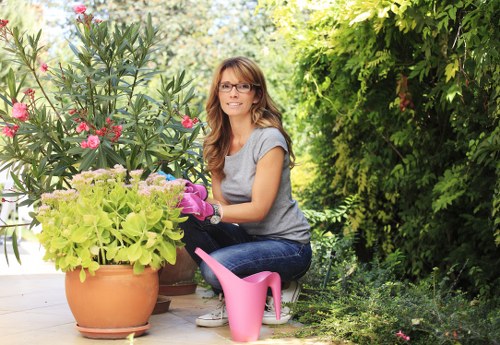 Welcome to the Gardener Queens Park sustainability page where our focus is on creating an eco-friendly waste disposal area and a thriving sustainable rubbish gardening area. As Gardener – Queens Park evolves, we adopt a neighbourhood-first approach that balances urban gardening with circular waste practices. Our aim is to reduce landfill, reuse materials and close nutrient loops so that gardening waste becomes a resource. Together we can build a low-carbon urban green space.
Our local team — the Gardener Queens Park crew — coordinates with borough services to align with the wider local authority's waste separation schemes. We support multi-stream kerbside separation (paper & card, plastics & metals, glass, and food/garden waste) and promote correct sorting to improve downstream recycling. Clear signage in the eco-friendly waste disposal area helps neighbours and volunteers put items in the right stream, reducing contamination and increasing recovery rates.
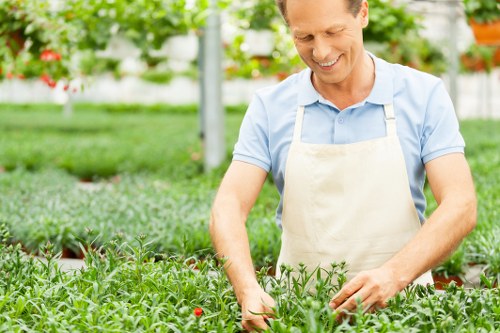 The sustainable rubbish gardening area integrates compost bays, timber reuse, and a dedicated drop-off point for clean green waste. We openly encourage residents to bring garden prunings, autumn leaves and small branches; these materials are converted into nutrient-rich compost to feed local beds. Gardener Queens Park recycling activities also include community swap days for pots and tools, and a small reuse rack for perfectly usable items that would otherwise be wasted.
Recycling percentage target and measurable goals
Our ambitious target is to reach a recycling rate of 65% by 2030 across garden and household-related waste streams connected to Gardener Queens Park initiatives. This target complements borough-level aims and represents a realistic, data-driven objective. We track progress through monthly audits of our waste stations, weight records from transfer points and volunteer logs, ensuring continual improvement and transparency.To meet this target we emphasise three priorities:
- Reduce unnecessary packaging and single-use supplies in garden projects;
- Reuse materials locally through swaps and charity partnerships;
- Recycle and compost the rest in purpose-built infrastructure.
Local transfer stations and logistics
Gardener Queens Park works with nearby civic transfer stations and community recycling hubs so collected materials follow the shortest possible route to processing. Local transfer stations accept segregated streams and bulk garden waste; we prioritise the borough transfer stations and community reuse centres to keep haulage emissions down. Where appropriate we send materials directly to partner composting facilities or borough-operated reclamation sites for efficient turnaround.We believe partnerships are essential. Gardener Queens Park collaborates with local charities and reuse organisations — community furniture banks, textiles charities and surplus-food networks — to give items a second life. Through these partnerships, usable pots, tools and small furniture items are diverted from waste and offered to households in need. Strong community links magnify the impact of every item we save from landfill.
Logistics are designed with carbon reduction in mind. Our delivery and collection routes use low-carbon vans: a mix of electric vans, plug-in hybrids and, for short trips, cargo bikes. These vehicles service the eco-friendly waste disposal area and ferry separated materials to transfer stations. Low-emission transport reduces the neighbourhood carbon footprint while maintaining reliable service.
We also run targeted volunteer training sessions on correct sorting, contamination reduction and compost management. These sessions explain borough approaches to waste separation — for example, the local multi-stream system where food waste is collected separately from dry recyclables — and how residents can support those schemes within the sustainable rubbish gardening area.
Operational transparency matters: weight records from collections to local transfer stations are shared with stakeholders and partner charities to evidence impact. Our waste diversion metrics show progress towards the 65% recycling goal, and these figures are used to refine collection schedules, improve signage and adapt our partnerships.
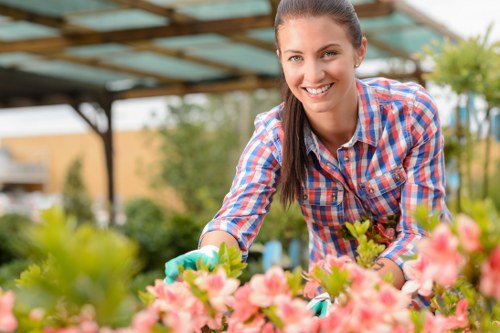 To reduce contamination we provide clearly labelled bins and best practice tips posted at the eco-friendly waste disposal area. The sustainable rubbish gardening area includes compost turners, screening racks for finished compost, and a small seedling reuse bench where clean containers are made available. Small structural changes yield measurable benefits in both recycling outcomes and garden health.
 Gardener Queens Park is committed to continuous improvement: expanding partnerships with local charities, increasing the share of low-carbon vans in our fleet, and refining our approach to borough waste separation. By combining community action, smart logistics and clear targets, our eco-friendly waste disposal area and sustainable rubbish gardening area become a model for local, climate-conscious urban growing.